
600mm led mirror
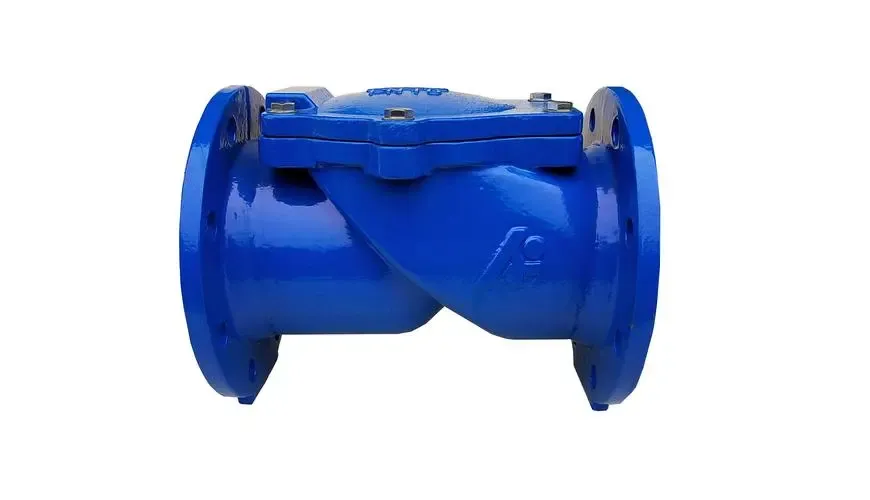
Understanding the Pricing of 16% Gate Valves Gate valves play a crucial role in various industrial applications, providing an efficient means of controlling fluid flow. Among the various types of valves, the gate valve is preferred for its ability to offer a straight-line flow path, minimal pressure drop, and the capability to fully open or close the flow. This article will explore the factors influencing the price of gate valves, particularly those with a 16% rating, which typically signifies their durability and performance in moderate pressure applications. What is a Gate Valve? A gate valve is a type of valve that opens by lifting a rectangular or circular gate out of the path of the fluid. This design makes it particularly suitable for applications where the flow needs to be either fully on or fully off, rather than throttled. Gate valves are commonly used in pipelines, water supply systems, and various industrial applications, and their effectiveness can significantly impact the overall operation of a system. Factors Influencing the Price of 16% Gate Valves The price of gate valves, including those rated at 16%, can vary widely based on several key factors 1. Material Composition The material from which a gate valve is made heavily influences its price. Common materials include cast iron, brass, stainless steel, and bronze. Stainless steel valves, for instance, tend to be more expensive than those made from cast iron due to their resistance to corrosion and longer lifespan. 16 gate valve price 2. Size and Dimensions The size of the gate valve is another key factor in its pricing. Larger valves require more material and may involve more complex manufacturing processes, leading to higher costs. 3. Manufacturer and Brand Reputation The brand reputation of the manufacturer can also affect the price. Established manufacturers with a track record of producing high-quality, reliable valves may charge a premium. Conversely, lesser-known brands may offer lower prices, but this can sometimes come at the cost of quality or reliability. 4. Application and Use Case The intended application can influence valve pricing as well. For instance, gate valves used in critical infrastructure, such as water treatment facilities or industrial plants, may be designed with higher standards and more stringent quality controls, leading to higher costs. 5. Market Conditions Supply and demand dynamics can affect pricing. During periods of high demand or shortages in material supply, prices for gate valves can increase. Additionally, fluctuations in steel prices, tariffs, and global trade issues may further impact costs. 6. Customization and Features Custom features, such as specific types of actuators, coatings for corrosion resistance, or ratings for extreme temperatures, can also drive up the price. Standard valves tend to be more cost-effective than those requiring unique modifications or specifications. Conclusion When considering the purchase of a 16% gate valve, it is essential to understand the various factors that influence its price. By evaluating the material, size, brand reputation, application needs, market conditions, and any necessary customizations, buyers can make more informed decisions. Investing in the right gate valve not only supports optimal flow control but also contributes to the efficiency and longevity of the overall system. As with any industrial purchase, careful consideration of these elements will lead to better performance and value over time.
about
600mm led mirror
Marking a Ruler with a Spirit Level A Guide to Precision Measurement In today’s world, precision is vital across various fields, whether in construction, woodworking, or crafting. One of the simplest yet most effective tools to ensure accuracy is a ruler. However, to maximize the utility of a ruler, integrating it with another fundamental tool—the spirit level—can enhance the process of measurement and layout. This article aims to explore the method of marking a ruler using a spirit level, detailing its advantages and the steps involved to achieve precise outcomes. Understanding the Tools Before diving into the process, it's crucial to understand the two primary tools the ruler and the spirit level. A ruler, typically a flat piece of wood, plastic, or metal, is marked with measurement units. It is essential for determining lengths and ensuring straight edges. On the other hand, a spirit level is used to determine the horizontal and vertical alignment of surfaces. It consists of a sealed tube with a liquid and an air bubble. When the bubble is centered between the marked lines, it indicates that the surface is level. Combining these two tools allows for precise marking and alignment, making it possible to execute tasks that require meticulous attention to detail. Why Use a Spirit Level with a Ruler? 1. Enhanced Accuracy When working on projects requiring exact measurements, using a spirit level ensures that the ruler is positioned correctly. For instance, when marking a long line, a spirit level can confirm that the ruler is straight, reducing measurement errors. 2. Time Efficiency Mistakes often lead to rework. By ensuring a level surface from the start, one can save time that would otherwise be spent correcting misalignments. 3. Versatility This method is applicable in various scenarios, whether one is hanging a picture frame, constructing a shelf, or laying out larger building projects . The principles of marking with a spirit level remain the same, providing consistency across different tasks. marking ruler with spirit level Step-by-Step Guide to Marking a Ruler with a Spirit Level Step 1 Gather Your Materials You will need a ruler, a spirit level, a pencil, and possibly some clamps for stabilization, especially if working on larger pieces. Ensure that your workspace is clear and organized to avoid distractions. Step 2 Position the Ruler Place the ruler on the surface you wish to mark. Ensure that it is where you want to draw your line. Step 3 Use the Spirit Level Set the spirit level on the ruler. Make sure to place it at multiple points along the ruler to confirm that it remains horizontal. Adjust the ruler as needed to get the bubble centered between the lines. Step 4 Mark the Line Once you have confirmed that the ruler is level, use your pencil to draw a straight line along the edge of the ruler. Take your time and ensure that your hand is steady to prevent any mistakes. Step 5 Confirm Alignment After marking, it is wise to double-check the alignment using the spirit level once more. This ensures that your mark is level and straight, ready for the next steps in your project. Step 6 Clean Up Once you have completed your marking, clean the area and store your tools properly. Make sure to wipe any excess pencil marks that could interfere with the accuracy of subsequent measurements or markings. Conclusion Marking a ruler with a spirit level is a straightforward process that can greatly improve the accuracy and efficiency of various projects. By taking the time to ensure both tools are used in conjunction, you not only enhance the quality of your work but also cultivate a habit of precision that will serve you well in any task. Whether you are a seasoned professional or a passionate hobbyist, integrating these tools into your workflow can make all the difference in achieving those perfect measurements.
-

High quality industrial productsagement

High quality industrial products
View Details -

Meet the diverse needs of customers

Meet the diverse needs of customers
View Details -

Strict quality control

Strict quality control
View Details -

Top raw materials

Top raw materials
View Details -

Trusted supplier

Trusted supplier
View Details
Our application


news and information

Versatile 3x6 Feet Welding Table for Efficient Metalworking and Fabrication Projects
The Versatility and Advantages of a 3x6 Welding Table Welding is a crucial process in various indust

Valve's Influence in the Chinese Market and Its Future Prospects
The Influence of Valve China on the Global Valve Industry In recent years, China has emerged as a ce
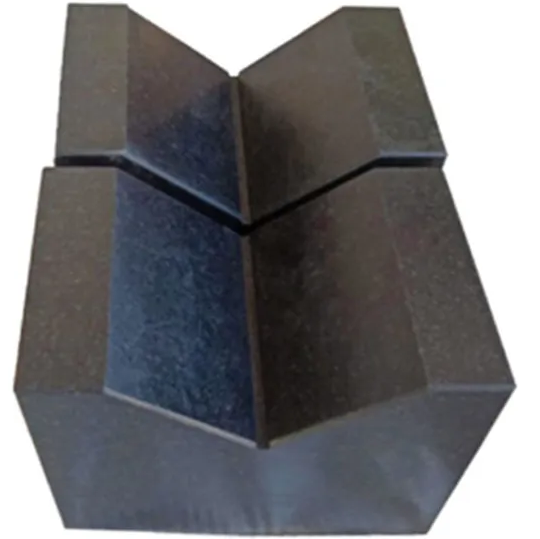
Welding Workbench for 4x8 Projects A Sturdy and Versatile Solution for Fabrication Work
Welding is a crucial process in the manufacturing industry, and having the right equipment is essent
 English